
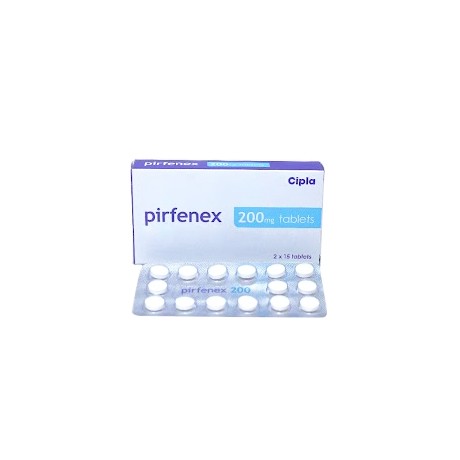
| Mechanism of Action | Pirfenidone is an anti-fibrotic drug that inhibits the production of TGF-beta, a chemical mediator that controls many cell functions including proliferation and differentiation, and plays a key role in fibrosis. It also inhibits the synthesis of TNF-alpha, a cytokine that is involved in inflammation. |
| Drug Formulation | Pirfenidone is available as a 200mg capsule. Each capsule contains 200mg of Pirfenidone. The inactive ingredients include: microcrystalline cellulose, croscarmellose sodium, povidone, and magnesium stearate. The capsule shell contains gelatin, titanium dioxide, and sodium lauryl sulfate. |
| PharmacoKinetics | Absorption: Pirfenidone is rapidly absorbed following oral administration, with peak plasma concentrations occurring within 0.5-2.5 hours. Food decreases the rate and extent of absorption
Distribution: Pirfenidone is widely distributed throughout the body, with a volume of distribution of approximately 70L. Metabolism: Pirfenidone is extensively metabolized in the liver, primarily by CYP1A2, with minor contributions from other CYP enzymes Excretion: Pirfenidone is primarily excreted in the urine, with approximately 80% of an oral dose recovered in the urine within 24 hours. |
| Side Effects | 1. Nausea 2. Rash 3. Abdominal pain 4. Diarrhea 5. Fatigue 6. Headache 7. Decreased appetite 8. Dizziness |
| Contraindications | Pirfenidone is contraindicated in patients with severe hypersensitivity to Pirfenidone or to any of its components. |
| Precautions | 1. Pirfenidone should be used with caution in patients with hepatic impairment.
2. Pirfenidone may cause photosensitivity reactions. Patients should avoid or minimize exposure to sunlight and sunlamps, and use protective measures such as sunscreen and protective clothing. |
| Pregnancy | Pirfenidone may cause fetal harm when administered to a pregnant woman. |
| Drug Interactions | CYP1A2 inhibitors, such as fluvoxamine and enoxacin, may increase the exposure to Pirfenidone. CYP1A2 inducers, such as omeprazole and smoking, may decrease the exposure to Pirfenidone. |
| Dosage | The recommended dose of Pirfenidone is 801 mg (three 267 mg capsules) three times daily with food for a total daily dose of 2403 mg. Please consult your physician and take a specified dose only. |
| Storage | Store at 20-25°C (68-77°F); excursions permitted to 15-30°C (59-86°F). |
| Overdose | There is no specific antidote for Pirfenidone overdose. Treatment should be supportive and based on the presenting signs and symptoms. |
Above mentioned information is for reference only and does not serve as medical advice. Please consult your physician and/or refer to original sources before treatment.
Reviews
There are no reviews yet.